A roof installation is a hefty investment that restores the integrity of your structure and adds to your property’s curb appeal. But the smallest neglect or miscalculation can lead to costly damage and repairs. This is why it’s better to know what to look out for to fix any roofing issues early. If you find anything like loose flashing or clogged gutters, the following blog by Ralda Roofing highlights fixes like proper nailing and appropriate ventilation to help repair your roof installation problems quickly.
Common Roof Installation Mistakes: Everything You Should Watch Out For
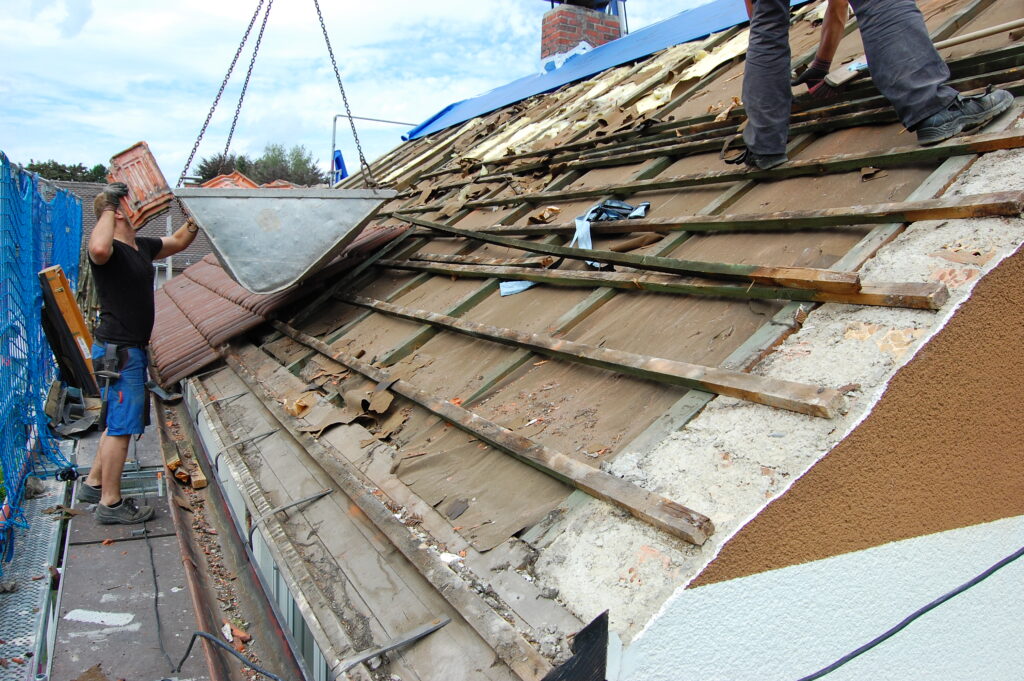
Whether it’s a roof installation on a new construction or you’ve had your old roof replaced with a new one, there are a few small problems that can lead to leaks, shorter roof lifespans, and structural damage. Here is a list of things like misaligned shingles and incorrect slopes that you should inspect your roof for after the installation.
Take a look below to learn what these roofing problems are
- Shingle Issues
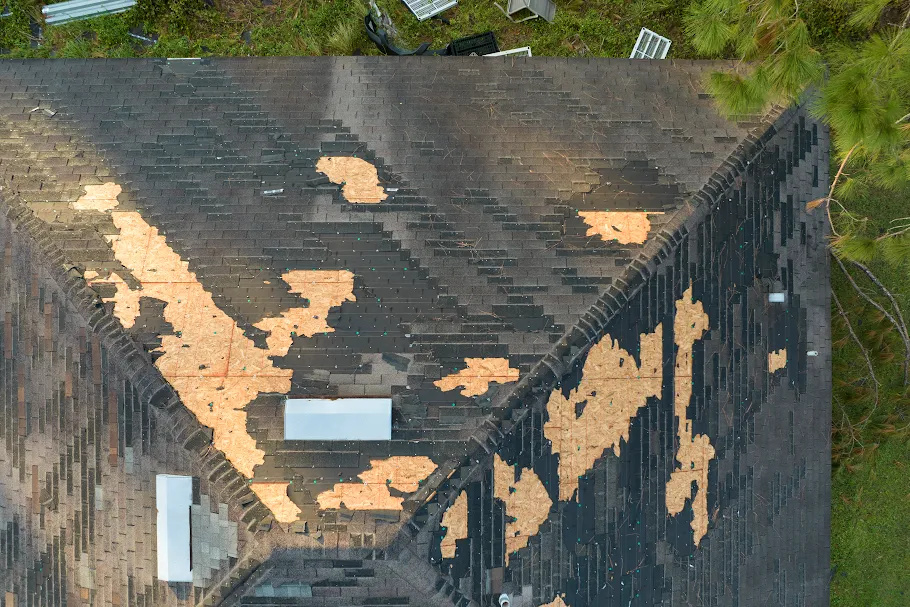
Take a step away from your house in Washington, DC, and look up at the shingles. Sometimes a roofer may not have aligned them correctly. If they are aligned, it’s possible that they aren’t securely attached to the roof. Resolve this oversight immediately.
- Inadequate Flashing
The flashing installed during your roof installation is what keeps water from penetrating the roof through joints around chimneys, skylights, and valleys. If it’s bent or slightly loose around any of these critical points, you’re looking at future leaks.
- Inconsistent Ventilation
Appropriate ventilation during your roof installation is imperative to prevent humidity and moisture damage. If the vents aren’t even or correctly installed, it could lead to ice dams, mold, and faster material damage.
- Sagging Roof Lines
While you’re still looking up, take a closer look at the roof line after your roof installation. It should be completely even, as dips or sagging can indicate structural damage and future ponding. If it’s irregular, have it corrected ASAP.
- Signs Of Leaks
If you’re sitting in the living room one day and your roof starts to drip or you spot stains on the upper walls or ceilings, it clearly indicates that there’s a leak in your roof installation. Act quickly to avoid structural damage, bigger cracks, and possible flooding.
- Debris In Gutters
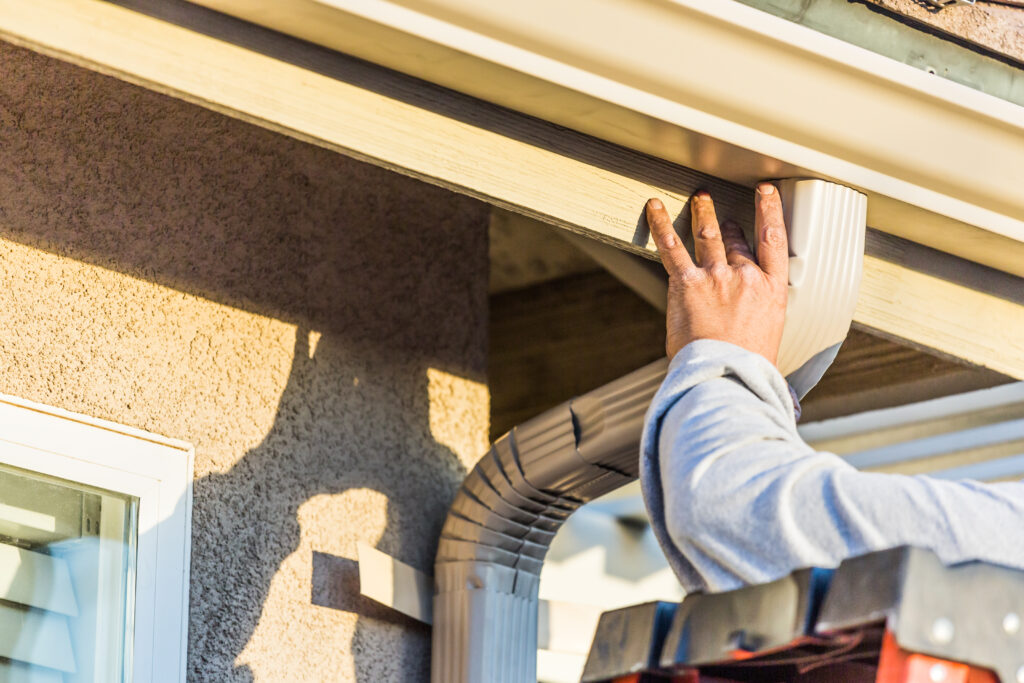
If your roofers messed up the roof installation the first time, you’ll spot nails, shingles, or even underlayment pieces in the drains and downspouts. This not only indicates a structurally unstable roof, but also points to a blocked drainage system that can prove costly later on.
- Poor Drip Edge Installation
Finally, if you find that your drip edge doesn’t sit right at the edge of your roof, you need to have it fixed. If you put it off, you’re looking at future moisture damage to your fascia, soffit, or underlayment.
Quick Solutions For Those Roofing Issues: Expert Advice & Useful Tips
Okay, now that you understand what you should watch out for, you might be wondering if there’s anything you can do to fix these roof installation problems. From nailing in flashing to correcting the roof pitch, here is a list of things you should have done during your roof installation to correct these costly mistakes.
Take a look below to understand what needs to be done.
- Shingle Repairs
Have someone secure loose shingles with the correct number of nails so they don’t blow off. Have them realigned to improve aesthetics and replace any damaged or missing shingles as well.
- Fix Flashing
For any warped flashing, you should replace it immediately. If you see any popping off, have an expert nail it securely into place.
- Ventilation Repairs
Replace narrow vents with wider ones to allow for proper ventilation. Correct wrong angles and ensure that the right material is used.
- Fix The Sagging
Have an expert roofer fix a sagging roof by altering roof grading, installing new support beams, and fixing any roof decking issues that may have been overlooked upon initial roof installation.
- Fix Moisture Damage
If you spot stains or dripping, you need to fix the issue by getting rid of corroded material, tightening shingles, or installing a waterproof barrier.
- Secure Drip Edge
Finally, ensure you have someone properly slide in and nail the drip edge to protect your roof from water damage in the future.
- Clean Gutters
Trapped debris in your gutter systems can lead to ponding and moisture damage later on. Immediately remove any debris you find to prevent this.
- Choose Reliable Roofers
Novices can often make these costly roof installation mistakes. So always be sure to select a roofer with prior experience and certification to save yourself some headache and expense.
Conclusion
To conclude, roof installation is deceptively simple. It requires precise calculations and meticulous setups; otherwise, you could end up with things like misaligned roof lines and poor drainage. Make sure that you have expert roofing contractors reinforce your sagging roof and secure flashing and shingles in place properly to save your structure from costly damage.
FAQs
What are the most common roof installation problems?
Common issues include improper flashing, uneven shingles, poor ventilation, insufficient underlayment, and incorrect nail placement.
How soon should roof problems be fixed?
Roof issues should be addressed as soon as they’re noticed to prevent water damage, rot, mold growth, and structural problems.
What causes shingle damage after installation?
Shingle damage can result from strong winds, poor fastening, low‑quality materials, or improper sealing around roof features.
What are the most common roof installation problems?
Common issues include improper flashing, uneven shingles, poor ventilation, insufficient underlayment, and incorrect nail placement.
How can I tell if my roof was installed incorrectly?
Signs include cracked or curling shingles, leaks in the attic, uneven roof lines, missing flashing, and visible gaps at roof edges.